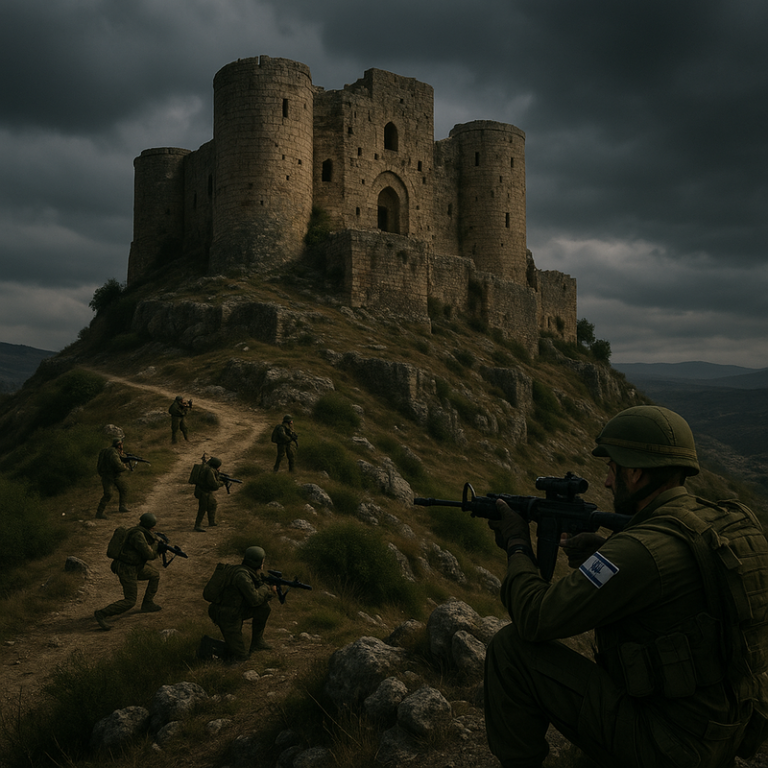
A $170 Billion Defense Dilemma: Europe’s Bold Plan and Its Implications
In a world gripped by swirling geopolitical tensions, Europe has unveiled an ambitious $170 billion defense strategy aimed at sharpening its military edge. But this initiative raises a pressing question: could the continent’s ambition for a fortified defense come at the cost of accountability? Just as one might willingly don heavier armor only to realize it constricts rather than empowers movement, Europe’s decision seems both a necessary defense and a perplexing gamble. 💰🔍
The backdrop is almost cinematic—a once united front now frayed by rising security threats. Yet, amid escalating talks of bolstered defenses and swift military responses, experts warn of the dual-edged sword that such a financial commitment holds. This is not merely a hunt for ironclad borders; it is a nuanced dance of strategy, ethics, and political responsibility.
The Juxtaposition of Necessity and Scrutiny
Herein lies the striking antithesis: on one side, the urgency for robust defense against external threats; on the other, the ethical implications of a steep investment in military might in an era that begs for diplomatic finesse. Critics have noted that pouring billions into defense may inadvertently fuel an arms race, drawing Europe into a cycle of escalation resembling a child flinging pebbles into a pond, only to see the ripples widen.
As the NATO alliance revamps its strategic focus, the European Union’s newfound eagerness to invest heavily in defense raises eyebrows. Take the irony of nations historically known for diplomatic approaches suddenly pivoting towards militarization. How strange it is that the answer to protecting peace, it seems, now lies in the barrel of a gun.
Experts Sound Off: What Lies Ahead?
Leading military analysts have struck a cautionary tone, arguing that this funding surge may paradoxically compromise the collective security efforts intended to uphold peace in the region. “There is a fine line between enhancing defense capabilities and becoming over-reliant on military solutions,” warns Dr. Elena Kova, a prominent defense policy scholar. “In attempting to safeguard borders, are we not erecting barriers between ourselves and potential allies?”
“Investing $170 billion in defense is akin to a large family gathering where everyone brings their favorite dish—yet no one considers sharing the meal. We must ask, is this investment truly for collective security or merely an exercise in individualism?”
Interconnected Strategies: Beyond Spending
In contemplating the gravity of this financial leap, one must also consider the landscape of coordination among European nations. How can unity triumph over isolated maneuvers? The effective deployment of these funds should transcend simple acquisition of equipment; it must emphasize joint training, intelligence sharing, and cooperative defense strategies. Much like an orchestra, a harmonious melody requires each instrument to play its part in sync rather than each musician simply trying to outshine the others.
- Joint Exercises: Collaborating on expansive military drills can solidify trust and coordination between NATO nations, resembling the intricate choreography of a dance rather than a chaotic free-for-all. ⚔️
- Innovation in Defense: Encouraging defense-related R&D will facilitate advancements in technology while enhancing Europe’s ability to respond swiftly to threats, ensuring that this funding nourishes growth and creativity rather than stagnation.
- Sustainable Peacekeeping: Investing in diplomatic missions and conflict resolution initiatives can help address the root causes of instability, ensuring that military strength goes hand-in-hand with building lasting peace.
A Call for Accountability
In the end, as Europe pushes forward with its grand defense ambitions, the voices of concern also loom large, beckoning vigilance. With military budgets mushrooming, can there be an assurance that transparency and accountability will be at the forefront? To what extent will taxpayers’ contributions reflect in actual security outcomes versus being siphoned into questionable contracts?
A vibrant debate is on the horizon, as activists and citizens alike urge for a critical examination of defense expenditures that seems at odds with the humanitarian ideals many European nations profess. After all, pouring resources into military might may temporarily shield against threats but could encourage the very environment of mistrust and conflict we seek to alleviate. 🌍
Reflecting on a Dual-Faceted Future
As Europe embarks on this new chapter of military investment, the stakes have never been higher. The juxtaposition of security and accountability is one that must be traversed with intent and consciousness. Will this $170 billion plan transform Europe into a formidable defense powerhouse while fostering unity with its neighbors? Or will it lead to an unforeseen paradox where the call for cohesion gets drowned out by the clang of relentless armament?
Ultimately, the choices made today will resonate for generations. In this pivotal moment, Europe must not only invest wisely in its military but also reflect on its commitment to peace as the bedrock of global stability. The world is watching closely—as it should, for history often rewards nations not simply for their might but for their wisdom in wielding it. 🕊️