Charting Chaos: The Global Economy’s Dance Between Boom and Bust 🌍💹
The global economy right now resembles a theatrical play where the actors perform a tightly choreographed dance, yet each step teeters on a knife’s edge of unpredictability. One moment, a nation strides forward with the confidence of a sprinter breaking the tape; the next, it stumbles, weighed down by inflationary shadows or geopolitical tremors that ripple like an unexpected storm. What if the stability we crave is as elusive as a mirage shimmering over a desert of debt and disruption? 💸🌪️
Tides of Prosperity and Peril
The striking antithesis at the heart of today’s economy is a volatile clash: unprecedented monetary stimulus from central banks collides spectacularly with rising inflation and supply chain paralysis, creating a paradox worthy of a Shakespearean tragedy. The Federal Reserve’s recent interest rate hikes, meant to tame inflationary dragons, risk suffocating growth, turning a slow recovery into a slow-motion slide. Meanwhile, emerging markets — once heralded as the beacons of future prosperity — face debt burdens twisting like a tightening noose around their fiscal necks.
“Global GDP growth is expected to slow to around 2.9% in 2024,” according to the latest IMF projections — a stark contrast to the lustrous 6% booms of pre-pandemic years. Yet, inflation, like an uninvited guest, overstays its welcome, with some economies still battling double-digit rates. The irony? Efforts to curb inflation threaten exactly what policymakers aim to nurture: vibrant economic activity.
Photos from the Economic Frontlines
To glimpse the fulcrum of these upheavals, a photo is worth a thousand market reports. Images of shipping containers piled high in Port of Los Angeles, halted by bottlenecks; crowded factories in Southeast Asia flash between newspaper spreads and digital galleries; lines snaking outside gas stations in Europe tell a visual story of scarcity and price spikes. Behind these snapshots lurk complex stories — from labor shortages reminiscent of a forest stripped bare by wildfire to the wrenching consequences of energy geopolitics that resemble a game of high-stake chess.
Imagine the economy as a giant river delta, with flows converging from myriad sources—trade winds, policy shifts, weather crises. The currents sometimes flow with irresistible force, other times stagnate in eddies that baffle even the most seasoned navigators. It is here where the human element unfolds: families adjusting budgets to soaring groceries, small businesses weighing the gamble of expansion, investors straddling the tightrope of risk and reward.
Unpacking Persistent Challenges
- Inflation’s Relentless Grip: Even as central banks act, inflation behaves like an unwelcome echo in a grand hall, lasting longer and louder than expected.
- Supply Chain Snarls: Disruptions from the Pacific ports to European factories ripple through global trade and consumer shelves alike.
- Debt Overhangs: Sovereign and corporate debts balloon, raising alarms reminiscent of the 2008 crisis but magnified by pandemic-era expansion.
- Geopolitical Tensions: Energy security and trade restrictions add combustible elements to an already volatile economic cocktail.
- Labor Market Paradox: High unemployment in some sectors contrasts with worker shortages in others — a jarring juxtaposition like a symphony playing two contradictory melodies.
The Unexpected Hope of “Recession Resilience”
Not everything is a cautionary tale. Some sectors showcase a quiet resilience, adapting swiftly like chameleons. Technology continues to push forward, a roaring river cutting new paths despite the rugged terrain. Countries that have embraced digital innovation and diversified their economies are casting lifelines to growth.
Yet, for every hopeful sign, a disturbing question lingers: Are policymakers wielding the right tools? The increasing use of fiscal stimulus resembles trying to plug a leaking dam with sticky tape — desperate, but how effective in the long term? Could the increasing fragmentation of global cooperation echo the missteps of the interwar period, inviting repeated shocks?
Turning Data into Insight
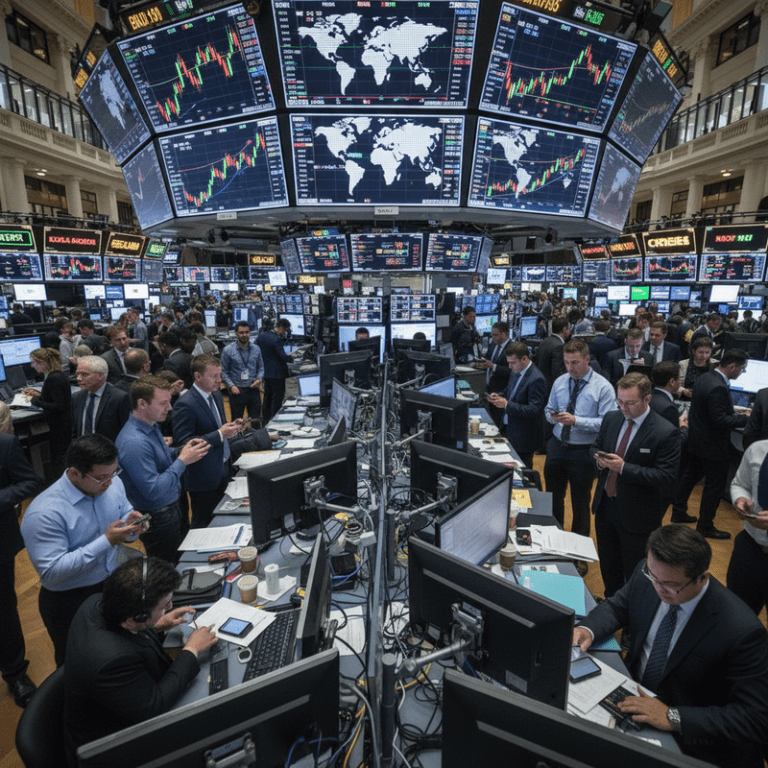
Financial indicators paint a tongue-in-cheek picture. Bond yields oscillate like a restless pendulum, stock markets dance on the edge of euphoria and despair, and currency markets resemble a carnival mirror — distorting realities with unexpected reflections. Last week’s spectacular sell-offs in Asian markets challenged the brief optimism from U.S. consumer spending data that seemed as promising as a sunny day in April, only to be followed by gale-force winds in May.
Amid these oscillations, the average person’s economic experience stands in stark contrast to the glossy headlines: inflation squeezes real incomes tighter than a vise; small enterprises navigate regulatory labyrinths that feel like minotaur mazes; unemployment benefits dwindle as labor markets shift beneath their feet.
Finding a New Compass in a Storm
So where do we anchor hope? Perhaps in the very nature of economic resilience — an imperfect, often clumsy, but dogged force that shapes history. The global economy, though buffeted by storms, persists in reinventing itself. What if we viewed each setback not as failure but as a necessary shedding of old skins — opportunities to build a system more adaptable, inclusive, and sustainable?
After all, the economy is a human story first: a mosaic of aspirations, fears, and choices. The photographs of bustling markets and empty storefronts alike, the charts pulsing with numbers, are but a theatrical backdrop to the age-old drama of people striving to make meaning and security within uncertainty. It’s a dance we’ve known for centuries — and will continue, come what may. 🕺🌐✊