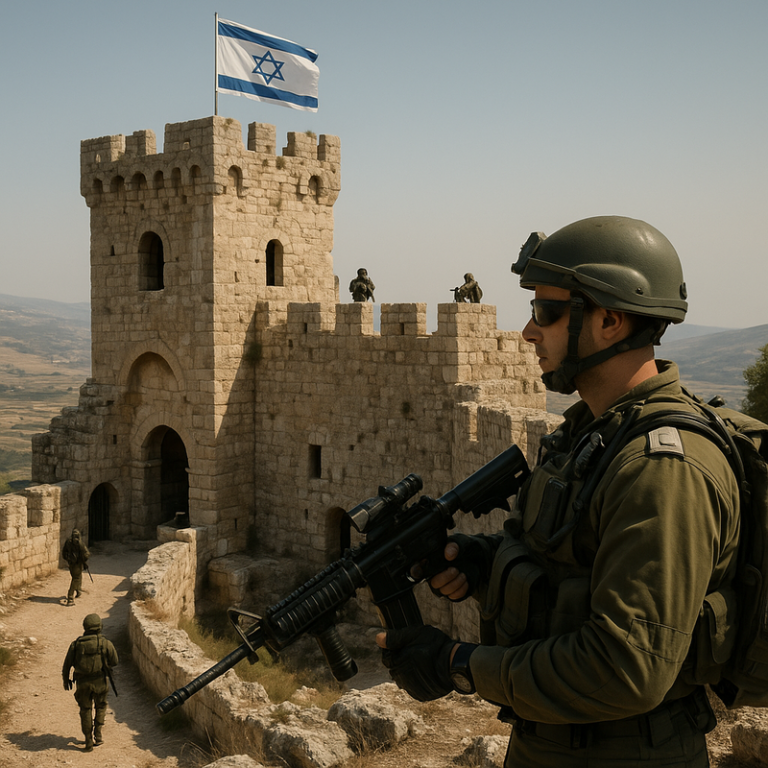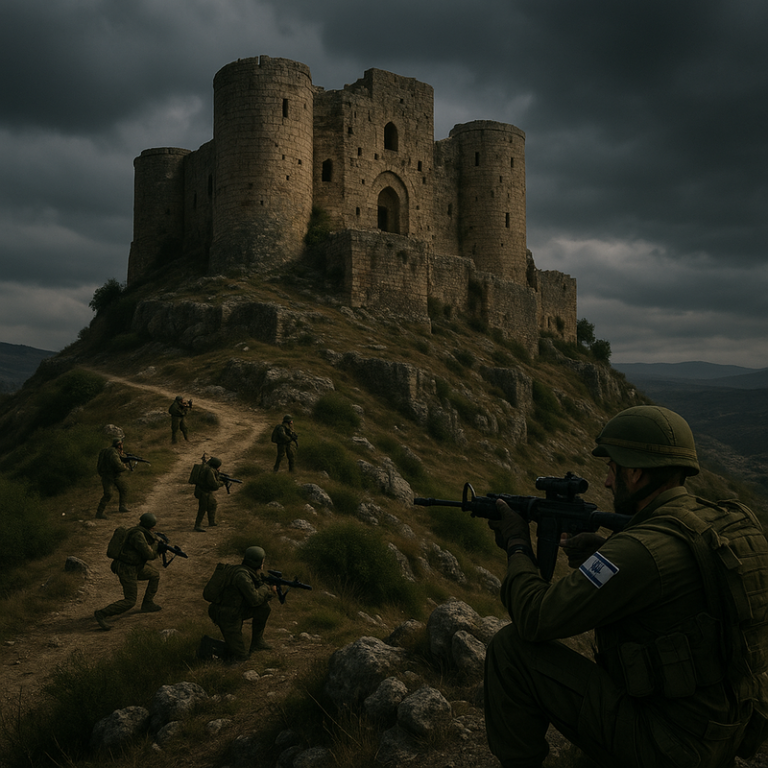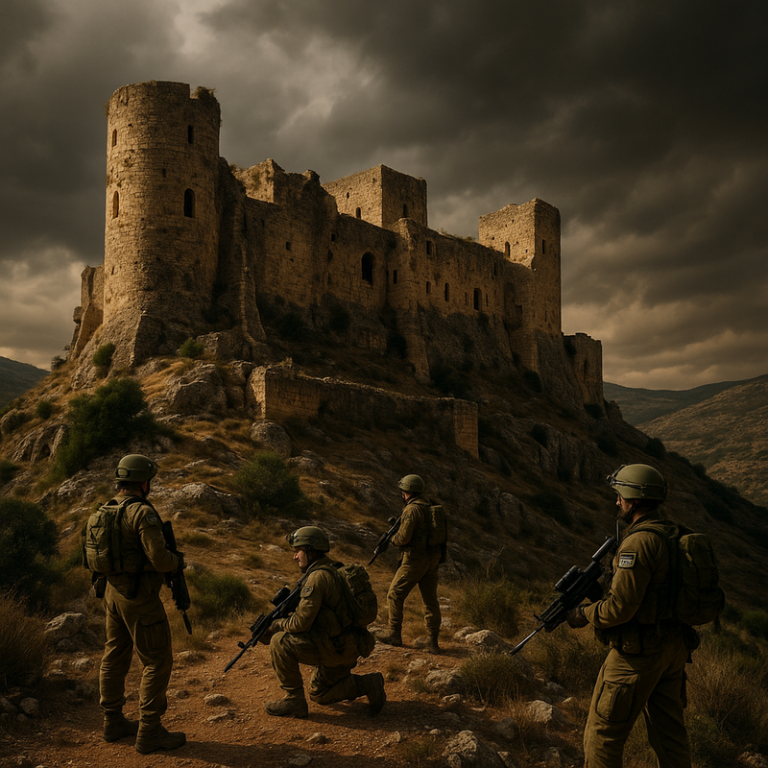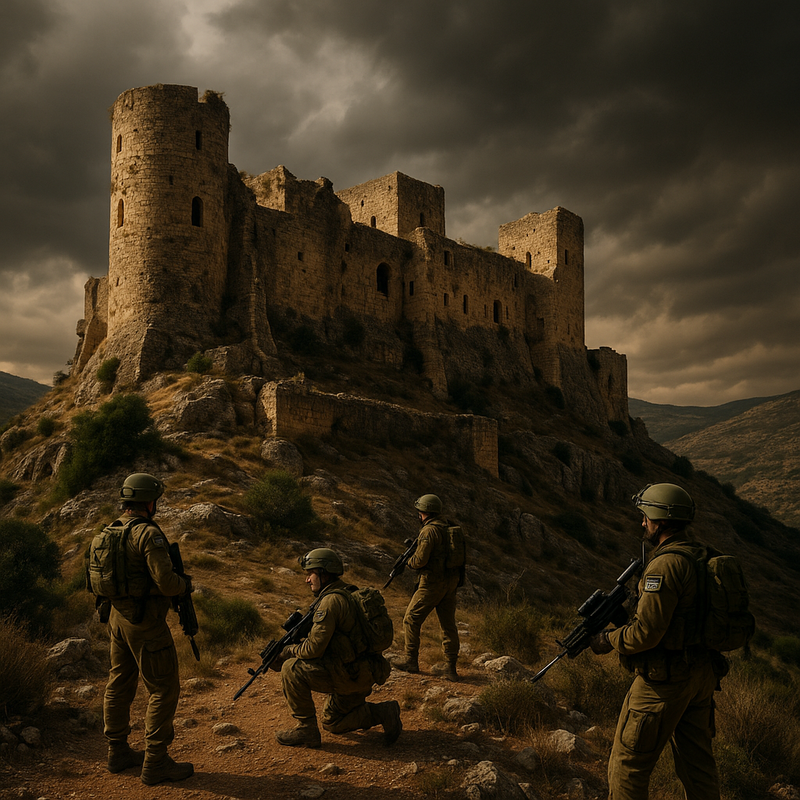
Israel Seizes Castle in Lebanon as it Expands Ground Offensive 🌍🏰
By Expert Journalist
October 25, 2023
Historic Fortress Falls Amidst Heightened Tensions 🚧
In a surprising turn of events, Israeli forces have successfully taken control of a historic castle located in southern Lebanon, intensifying the already volatile geopolitical landscape in the Middle East. The capture of this fortress marks a crucial point in Israel’s expanding ground offensive, raising questions and concerns across international communities. 🏰
The Strategic Significance 🗺️
The seized castle, believed to have been built during the Crusades, bears not just historical significance but also substantial strategic value. Positioned on a hilltop overlooking vital access routes, the fortress offers a commanding view, making it a pivotal point for military operations. Israeli military officials have cited the need to secure this zone to mitigate imminent threats and potentially hostile activities targeting Israeli territories. 📍
Geopolitical Ramifications 🔍
This aggressive move has further amplified tensions between Israel and Lebanon. Regional political analysts argue that the action could escalate into a larger conflict, drawing in regional and global players. Lebanon’s government has swiftly condemned the operation, urging for international intervention to maintain peace and sovereignty. Worldwide, responses have varied, with some powers calling for restraint while others stand in support of Israel’s strategic decisions. 🤝
Cultural Concerns and Heritage Impact 🏛️
The seizure of the castle has not only geopolitical but also cultural implications. The fortress is regarded as a cherished monument, an embodiment of a rich and diverse history. Preservationists worry about the potential damage to cultural heritage and have called upon international organizations to monitor the site to prevent irreversible harm. 🌐
International Responses 🌎
Global leaders are now grappling with responses to this delicate situation. The United Nations Security Council is expected to convene for an emergency session to discuss the implications of the operation. Humanitarian agencies have expressed concern over the potential for civilian displacement and increasing instability in the region. Moreover, neighboring countries are closely watching the developments, wary of potential ripple effects. 🚨
Moving Forward 🚀
As the situation unfolds, the international community’s role in diplomatic engagement will be critical. Calls for dialogue, ceasefire, and negotiations will likely intensify as stakeholders aim to prevent further escalation. The region stands at a crossroads, and decisive, thoughtful action will be pivotal in determining the course of future interactions. Meanwhile, the eyes of the world remain focused on this historic site now turned into a strategic fulcrum in an age-old conflict. 🔄